Diving the Cooper River
Our river charter diving trips offer every diver a chance to take a small
piece of Charleston history back home with them. Life in Charleston and along the Cooper
is rich in historical events, from the countrys earliest settlements, to the
beginnings of the Civil War, building of the submarine "Little David" and the
sailing and recent recovery of the submarine H.L.Hunley. When traveling to the dive sites
well pass along banks of the river that were once colonial plantation rice-fields
built by slaves and used to grow indigo and rice.
The Stuff that can be found
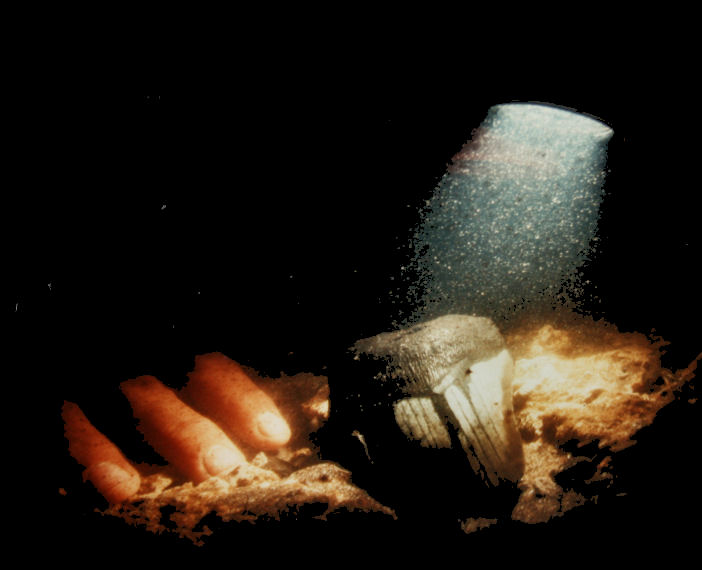
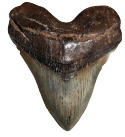
Rivers of South Carolina are world-renowned for our millions of year old fossilized
Megalodon shark teeth. Charleston area rivers are well known for their colonial plantation
sites and old water borne trade routes, which provide the diving artifact hunter with
pottery, vintage antique bottles, plenty of 1 to 10 million year old fossilized shark
teeth and bones. Other artifacts that are often found include; Whale rib and ear bones,
American Mastodon and Wooly Mammoth bones and teeth. Arrowhead, Lance and Spear Points can
also be found in the river bottom along with pottery shards of Early Man and Indian
artifacts. 


 The River
For scuba divers in the Southeast, there is probably nothing more exciting than a dive
into the waters of the Cooper River above Charleston, South Carolina. At times, the dark
swift moving current flows as fast as 3 knots, treating scuba divers to an exhilarating
drift diving experience. On drift dives because of the current and limited visibility,
divers must be practiced at the art of the buddy system or else be prepared to dive on
their own if the current separates them from their buddies.
The waters of Cooper River come basically from the
two sources; the tidal flow of the Atlantic Ocean and the Santee Cooper Lake system. Water
temperatures vary during the year from the mid 80s in summer months to bone chilling
lows, down into the high 40s in midwinter. Winter requires divers to wear a
7 mm wet suit with hood and gloves; some prefer to dive in dry suits.
The colder water usually allows
a greater range of visibility" for the Cooper River - generally average about
8 feet with
a good bright light. Some people consider "Diving the Cooper" to be at it's best
during the colder season. Once the waters cool down visibility in the river improves
because of the natural reduction of algae and suspended particles of silt in the water. Between
November and late April or until the water temperature increases above seventy, there
have been times of up to 10 to 15 plus feet of visibility in our local waters. 
Dive Sites
Depending on the dive site location along the river, the depth of the Cooper also varies
with most averaging about 35 feet. There are good dives to be made in shallow areas along
and the near banks. Many local divers have found plenty of "goodies" for their
bags diving along the banks of the Cooper, many Colonial pipe stems, some with pipe bowls,
and many bottles have been found.
There are also some "holes" in the River that can be as
deep as 80 feet and several good fossil beds in the 60 foot range. Such an area is at
Sullivan's landing where many advance class
student have worked their way down to the deep dark 60 foot hole on training dives.
And at the Tee where a flood tide can bring a depth of 80 feet. 
Check Our Dive
Sites Page
River dives are generally conducted prior to, after and during
slack tide periods, when the tidal flows are the slowest. Visibility significantly
decreases during slack tidal periods, when river silt becomes suspended in the water.
Slack water after low tide usually offers the best diving, especially when the flooding
tidal flow slows the natural ebbing of the river, this causes the visibility to improve
somewhat. 
Also up river a ways is the "Heritage
Trail" opened in 1998 as an underwater trail to allow divers to dive historical
sites and see the remains of old sailing ships and rice barges. Some of the remains of the
vessels are sill recognizable and date back to the revolutionary war. 
In 1781
Americans under Wade Hampton burned a British Supply Vessel and a Schooner filled with
indigo, which were anchored near Strawberry Ferry.
From Shipwreck Magazine / Dr. E. Lee Spence.
SC Underwater Antiquity Laws
To preserve historical and archaeological value of underwater artifacts South Carolina has
laws to protect these treasures, SOUTH CAROLINA UNDERWATER ANTIQUITIES ACT OF 1991.
South Carolina is the only state in the that allows small scale,
non-commercial artifact collecting from state owned lands. Keeping your find is easy as long as state laws are followed. If you plan on
keeping anything you find, by law you must have a
SC Hobby Collector's license,
and file quarterly reports with the state. Licenses issued by
(SCIAA) are managed by the Sport Diver Archeaology Management Program
(SDAMP)
within the South Carolina Institute of Archeaology and Anthropology. Call us if you have any
questions or better yet see our Dive Laws Page with and
get the
downloadable application, having
a Hobby License will
enable you to legally 'keep your find' when state laws are followed. 
Check Charter Date Availability - 2008
Jan ~
Feb ~
Mar ~
April ~
May ~
June
July ~
Aug ~
Sept ~ Oct ~
Nov ~
Dec
|
Fossil Books and
Field Guides
For Sale
Vertebrate Fossils:

A Neophyte's Guide
Fossilized Shark's

Teeth & Fossils


Discover South Carolina
 
Friends of the Hunley

Save The Light

Beach / River Sweep

Santee Canal Park

Current
Weather Conditions

Satellite
For Charleston
Offshore Forecast
Charleston
U.S. Offshore Marine Text Forecasts by Zone
Marine Weather Forecast
 |